After graduation, the Graduate visa currently gives you 2 years to work in the UK without needing a job offer - dropping to 18 months for anyone applying from January 2027 onward.
Why Study in the UK? (Cost, Rankings, Career ROI)
The UK's biggest structural advantage is time: most undergraduate degrees run 3 years and most Master's run just 1 year, versus 4 and 2 years respectively in the US. That shorter timeline means lower total cost even where annual tuition looks comparable, plus a faster return to the workforce.
Combined with globally top-ranked universities in Oxford, Cambridge, Imperial, and LSE, and a genuine (if narrowing) post-study work window through the Graduate Route, the UK remains one of the strongest ROI cases in study-abroad - provided you go in with accurate numbers, since fees and visa rules have shifted meaningfully in 2026.
What Are the Best Universities in the UK for International Students?
The UK's university system is unusually dense with globally ranked institutions for its size. Popular choices include:
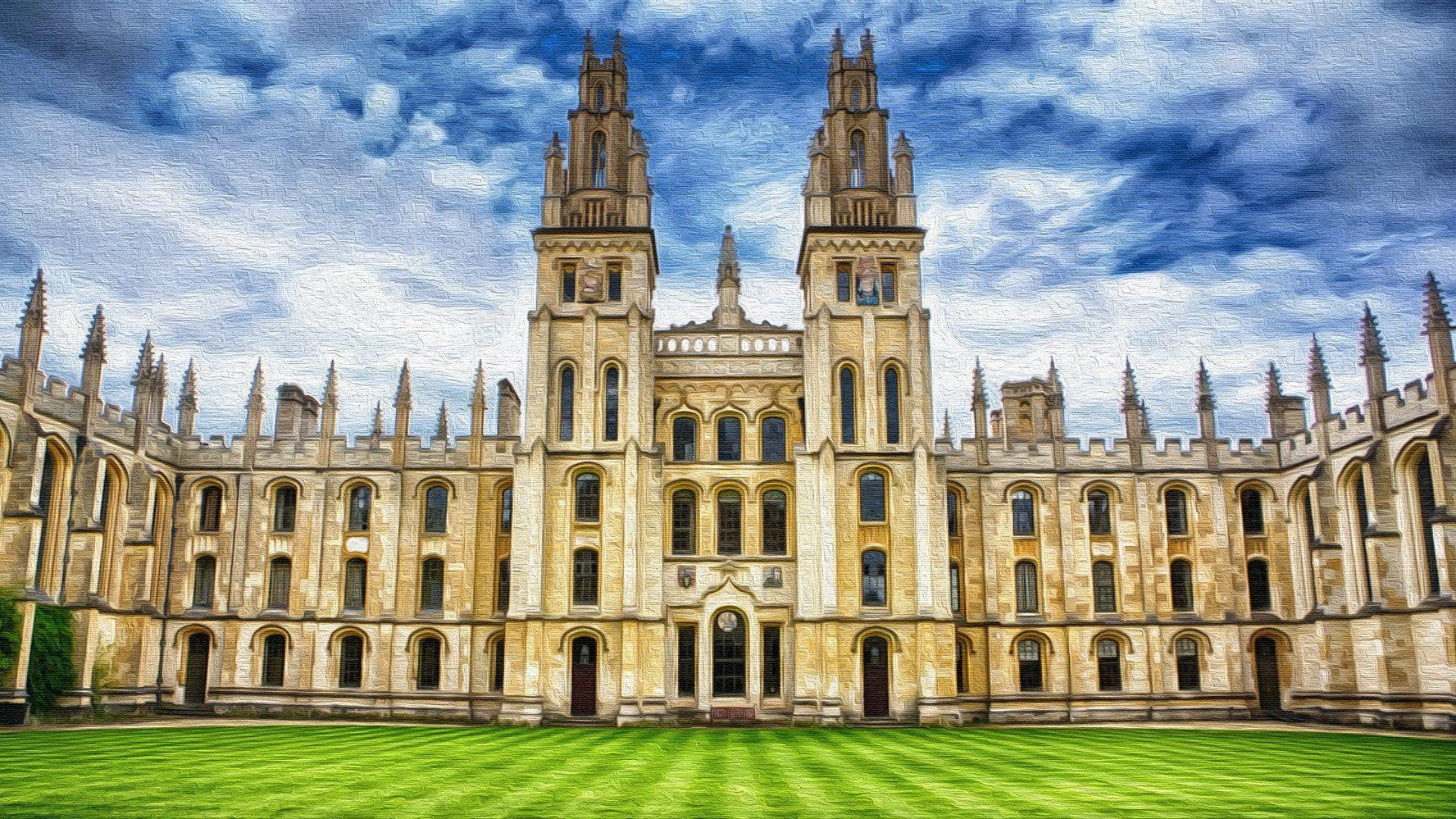
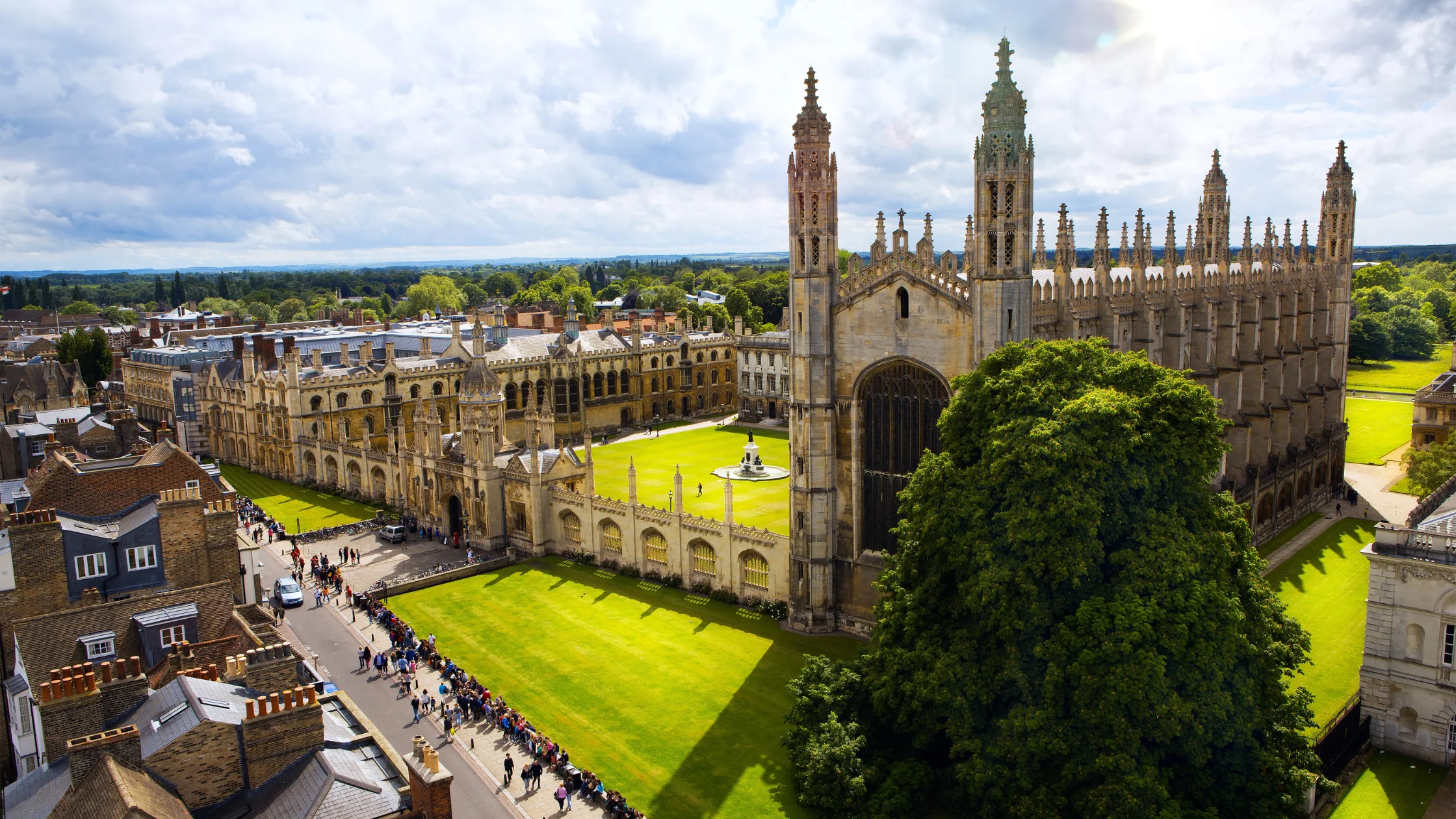
- University of Oxford & University of Cambridge - globally top-ranked across nearly every discipline, notoriously competitive, earlier application deadlines than the rest of the system
- Imperial College London - engineering, medicine, and STEM research
- London School of Economics (LSE) - economics, political science, law
- University College London (UCL) - broad strength across sciences, architecture, and social sciences
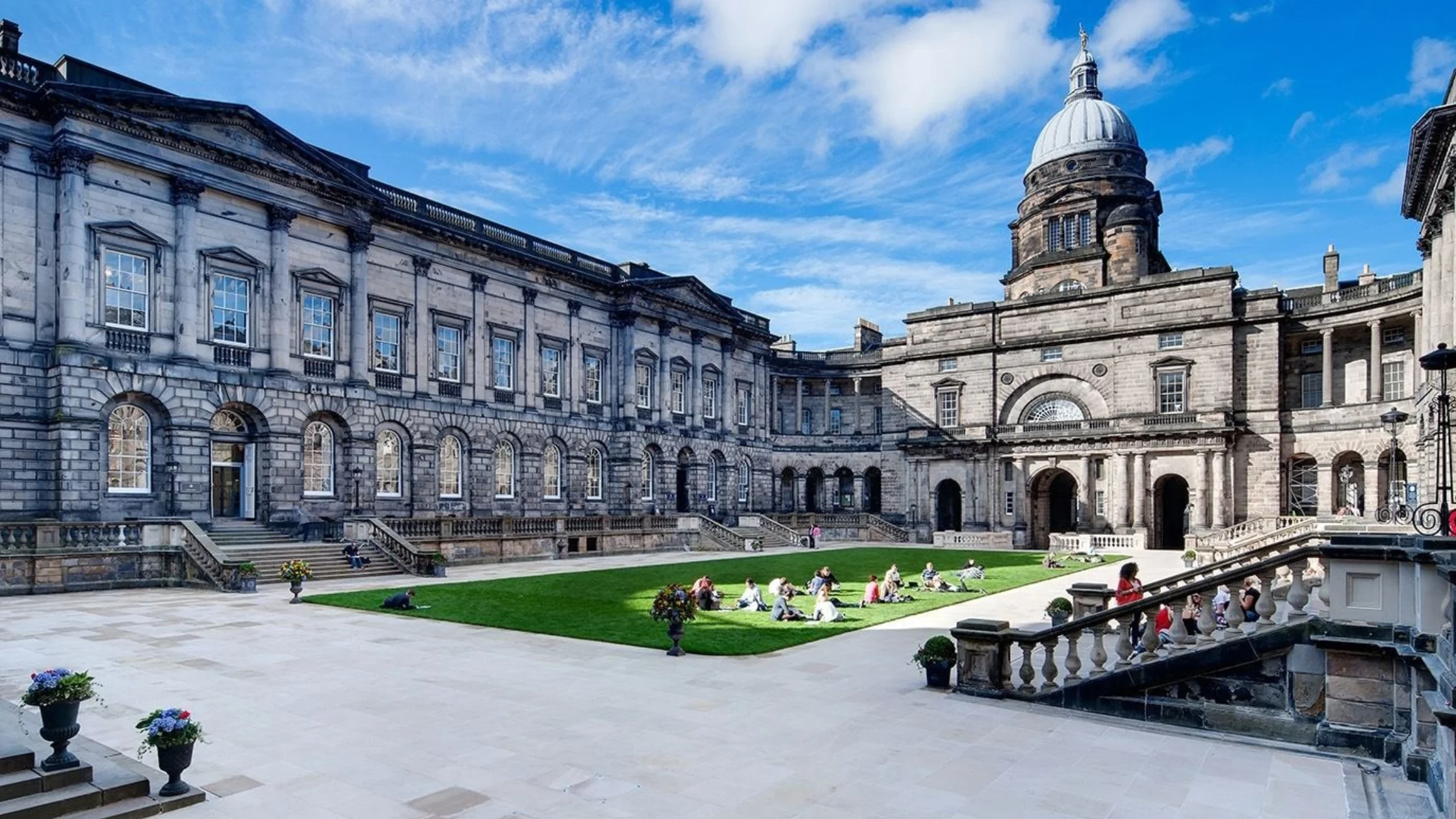
- University of Edinburgh - research-intensive, strong in sciences and humanities
- University of Manchester - large, research-heavy, strong industry links
Beyond the household names, the UK's mid-tier research universities (Bristol, Warwick, Leeds, Birmingham) offer strong outcomes at meaningfully lower cost and competition than the top five.
How Much Does It Cost to Study in the UK in 2026?
Budget £15,000–£45,000/year in tuition depending on course and institution, plus £13,761 (London) or £10,539 (outside London) in living costs for a 9-month academic year.
Total cost of a 1-year Master's typically runs £30,000–£50,000 all-in, including visa and health surcharge costs - considerably less than the equivalent 2-year US Master's, largely because the UK format is shorter.
Is a UK Degree Worth the Cost? (Tuition Breakdown by Course Type)
UK tuition varies significantly by subject and level, and - unlike Germany - there's no tuition-free public option for international students at any UK university:
- Undergraduate (Bachelor's): typically £15,000–£38,000/year, with clinical subjects like medicine sitting at the higher end
- Postgraduate Taught (Master's): typically £17,000–£45,000/year, with a single year covering the entire degree at most universities
- MBA and specialist business Master's: often £30,000–£60,000+ for the full program at top-tier business schools
- PhD/Research programs: generally lower than taught programs, often £18,000–£25,000/year, and some come with funded studentships covering both tuition and a stipend
Because the Master's format is compressed into a single year, total tuition spend often ends up lower than a 2-year program elsewhere charging a lower annual rate - always compare total program cost, not just the annual figure.
What Are the Admission Requirements for UK Universities?
Requirements vary by level and institution, but generally include:
- Secondary school qualifications (A-Levels, IB, or equivalent) for undergraduate applicants, submitted through UCAS
- A relevant Bachelor's degree with a strong classification (typically 2:1 equivalent or higher) for postgraduate applicants
- Proof of English proficiency - IELTS, TOEFL, or an approved equivalent
- A personal statement, academic references, and transcripts
- For competitive courses (medicine, Oxbridge, some law programs), additional admissions tests or interviews
Which Entrance Exams Are Required? (IELTS, UCAT, Subject Tests)
Unlike the US, the UK doesn't generally require SAT or ACT scores for undergraduate admission - UCAS applications are built around your school qualifications instead. English proficiency is the near-universal requirement: IELTS (typically 6.0–7.0 depending on course), TOEFL, or PTE Academic.
Specific programs carry their own tests - medicine and dentistry applicants typically need the UCAT or BMAT, and some competitive courses at Oxford and Cambridge require subject-specific admissions tests alongside an interview.
How Do I Apply for a UK Student Visa?
The UK Student visa process runs through these stages:
- Receive your unconditional offer and CAS - your university issues a Confirmation of Acceptance for Studies once you've met all conditions and (usually) paid a tuition deposit
- Build your maintenance funds - you'll need the required amount held continuously for 28 days before applying (see below)
- Complete the online Student visa application - through the UKVI portal, from outside the UK up to 6 months before your course starts
- Pay the visa application fee and Immigration Health Surcharge (IHS) - both paid upfront as part of the application
- Verify your identity - either digitally via the UK Immigration: ID Check app, or at a visa application centre appointment
- Await your decision - most Student visa decisions come through within 3 weeks outside the UK
How Long Does the UK Student Visa Process Take?
Budget 3 weeks for standard processing outside the UK, though it's wise to apply as early as your CAS allows - you can apply up to 6 months before your course start date. Priority processing (extra fee) can reduce this to 5 working days at participating visa centres if you need a faster turnaround.
What Are the UK Student Visa Financial Requirements?
The UK requires proof of both tuition funds and a fixed maintenance amount for living costs, held in a specific way:
- Maintenance funds: £1,529/month if studying in London, £1,171/month if studying outside London - capped at 9 months, so £13,761 (London) or £10,539 (outside London) maximum
- Outstanding tuition fees: the remaining balance shown on your CAS after any deposit paid
- The 28-day rule: your required total must sit in your account, never dropping below the threshold, for 28 consecutive days, ending within 31 days of your application date - this is the single most common cause of visa refusal
- Visa application fee: £558 (as of April 2026)
- Immigration Health Surcharge (IHS): £776/year of visa length, usually covering 16 months for a 1-year Master's (course plus buffer), totaling roughly £1,552
Applicants from a list of "differentiation arrangement" countries (including several EU states, the US, Japan, and others) may not need to submit financial evidence upfront, though they must still genuinely meet the requirement if asked.
What Documents Do You Need for a UK Student Visa?
Use the UKVI checklist for your nationality, then expect this core set:
- Valid passport (with blank pages and validity past your course end)
- CAS from your licensed sponsor — course name, fees, deposit paid, and any English test code must match your file
- Proof of maintenance funds meeting the 28-day rule (unless differentiation applies and you are not asked)
- English language evidence — usually IELTS for UKVI, PTE Academic UKVI, or another SELT, unless you qualify for an exemption listed on gov.uk
- TB test certificate if you are applying from a listed country
- ATAS certificate if your course requires it (some STEM postgraduate courses)
- Consent letters if using a parent or sponsor’s funds
Your CAS is the spine of the file. If the CAS says IELTS 6.5 and your TRF shows 6.0, the application stops there.
Common UK Student Visa Refusal Reasons
Refusals usually come down to one of these — often more than one:
- Maintenance funds: balance dipped below the threshold during the 28-day window, or funds were not genuinely available to you
- CAS mismatch: course level, fees, or English scores on the CAS do not match your documents
- Wrong English test: Academic IELTS submitted where UKVI was required
- Genuine student: weak progression from prior study, unexplained gap, or a course that does not fit your background
- Incomplete file: missing TB test, ATAS, or sponsor evidence
Read the refusal letter, fix the cited ground, and reapply — do not resubmit the same packet. See do you need a consultant? if the refusal cites credibility. Applying from the UAE (including non-Emirati residents) has its own failure modes: UK Student visa from the UAE.
Do You Need IELTS for UKVI for a Student Visa?
For most applicants who must prove English at visa stage, yes — IELTS for UKVI (or another approved SELT such as PTE Academic UKVI) taken at an approved centre.
- University admission may accept IELTS Academic, TOEFL, or PTE Academic.
- Student visa generally requires a SELT listed on the Home Office site.
That is why IELTS vs TOEFL and what IELTS score do you need? treat UK as a special case. Time validity through visa day: score validity.
What Are the Best Courses to Study in the UK?
The UK holds particular strength in:
- Business, Finance, and Economics - LSE, Warwick, and London's proximity to global financial markets
- Law - a globally respected legal education system, strong for both UK and international qualification routes
- Engineering and Computer Science - Imperial, UCL, Manchester
- Medicine and Life Sciences - highly competitive, longer program lengths, additional entrance tests
- Creative Arts and Design - Central Saint Martins, Royal College of Art, strong international reputation
The 1-year Master's format is a particular draw for students in business, data science, and management fields looking for a faster, lower-total-cost postgraduate qualification.
Can I Work While Studying in the UK?
Yes. Student visa holders can generally work up to 20 hours/week during term time at degree level, and full-time during official vacation periods. Work must not involve self-employment or professional sporting activity, both of which are prohibited under the Student visa route.
What Is the Graduate Route? (UK Post-Study Work Visa)
After completing an eligible UK degree, the Graduate Route lets you stay and work without a job offer or sponsor — open work rights for most roles and employers.
Duration (check your application date against gov.uk):
- Bachelor’s and Master’s: 2 years for applications before policy changes; 18 months for many non-doctoral applications from 1 January 2027 onward
- PhD and other doctoral qualifications: 3 years
Eligibility snapshot:
- You must apply while in the UK with a valid Student visa (or recent Student permission)
- Your sponsor must confirm you completed the qualifying course
- You need a CAS for the Graduate Route from your sponsor before you apply
- English and criminality checks apply as listed on the current route guidance
What it is not: a permanent visa. To stay beyond the Graduate Route, most people switch to a Skilled Worker visa (job offer, licensed sponsor, salary threshold — often around £41,700 general minimum, with lower thresholds for shortage occupations and some PhD roles).
Planning tip: If immigration after study matters, compare the Graduate Route window with USA OPT and Canada PGWP before you pick the one-year UK Master’s purely on tuition.
What Is the Cost of Living for Students in the UK?
Budget varies sharply by city. A rough monthly range:
| Category | Typical Cost |
|---|---|
| Rent (shared/student housing) | £600–£1,200 (London) / £450–£750 (outside London) |
| Food & groceries | £200–£300 |
| Transport | £50–£150 (higher in London) |
| Utilities & phone | £80–£150 |
| Miscellaneous | £100–£200 |
London runs noticeably above the rest of the country on almost every line item - a meaningful factor when comparing otherwise similar course offers in London versus Manchester, Leeds, or Glasgow.
Do I Need to Learn Any Other Language?
No - all UK degree programs are taught in English, and there's no second-language requirement for admission or the visa. Your main hurdle is simply meeting your program's English proficiency threshold through IELTS, TOEFL, or PTE Academic.
What Scholarships Are Available for International Students?
This spoke is the UK scholarships index — curated awards with links to full StudyWhere guides. For the global directory, see scholarships.
| Scholarship | Type | Best for | Full guide |
|---|---|---|---|
| Chevening | Government, fully funded | One-year Master’s, leadership profile | Full tuition + living |
| Commonwealth Master’s | Government | Commonwealth citizens, postgraduate | Tuition + living |
| GREAT Scholarship | Partial tuition | Specific nationalities + partner universities | ~£10,000 toward fees |
| Clarendon (Oxford) | University | Oxford graduate applicants | Full funding at Oxford |
| Gates Cambridge | University | Cambridge graduate applicants | Full cost of study |
| Rhodes | University | Oxford, exceptional profile | Full award |
| Cambridge Trust | University | Cambridge international students | Partial to full |
| Reach Oxford | University | Low-income countries, Oxford UG | Fees + living |
Also budget university merit pages — LSE, Warwick, Manchester, and others publish entrance awards that are not separate national programmes. Pair with study abroad from India and education loan if the award is partial.
Which UK scholarships should Indian students prioritise?
| Applicant | Start with | Important filter |
|---|---|---|
| One-year Master's with leadership experience | Chevening | Work and leadership evidence; annual country competition |
| Eligible development-focused Master's applicant | Commonwealth Master's | Nominating route, eligible course and development impact |
| Applicant to a participating UK university | GREAT Scholarships | India participation, eligible programme and partner university for that cycle |
| Oxford or Cambridge graduate applicant | Clarendon, Gates Cambridge, Rhodes or Cambridge Trust | Separate eligibility and funding processes; admission deadlines can trigger consideration |
| Undergraduate applicant | Reach Oxford and university international awards | Chevening is not an undergraduate scholarship |
Scholarship timeline for the 2027 UK intake
Start national awards between June and September 2026, before many university applications feel urgent. Prepare evidence of impact, academic references, course choices and a funding gap calculation. Oxbridge and major fully funded awards can close much earlier than ordinary Master's admissions; university discounts may remain open later but usually cover only part of tuition.
Apply to a balanced funding portfolio: one or two fully funded national awards, university merit funding attached to every realistic course, and a documented loan or family-funding fallback. Never present a partial £5,000 discount as if it covers the visa's remaining tuition and maintenance requirement.
How to find more: how to find and apply for scholarships.
When Should I Apply? (Intake Deadlines)
The UK runs one primary intake with a secondary option at some universities:
- September/October intake: the main intake for nearly all programs - UCAS undergraduate deadline is typically mid-January, though Oxford, Cambridge, and most medicine/dentistry courses close in mid-October, months earlier
- January intake: offered by a smaller number of universities, mainly for specific Master's programs
Given visa processing, CAS issuance, and the 28-day maintenance fund rule all needing to align, start your application at least 9–12 months before your target intake - earlier still if you're applying to Oxbridge or a medicine program.
FAQs About Studying in the UK
Can I study in the UK without IELTS?
Yes - TOEFL and PTE Academic are both widely accepted alternatives, and some universities waive the requirement entirely if you've completed prior education taught in English.
Is the UK cheaper than the US for international students?
Often yes on total cost, mainly because of the shorter 1-year Master's and 3-year Bachelor's formats - even where annual tuition looks similar, the UK's shorter program length usually means lower total spend.
What GPA or grades do I need for UK universities?
There's no single national cutoff - competitive programs at top-20 universities generally expect the equivalent of a UK 2:1 (upper second-class) degree for postgraduate admission, or strong A-Level/IB results for undergraduate entry, with medicine and Oxbridge courses expecting significantly more.
Can I stay in the UK long-term after studying?
Yes, via the Graduate Route followed by a switch to Skilled Worker status if you secure a qualifying job offer - though rising salary thresholds and the 2027 reduction in Graduate Route duration make this a narrower path than it was a few years ago.
Do all UK universities charge the same tuition to international students?
No - tuition varies by university, course, and subject area, with clinical and specialist programs (medicine, MBA) sitting well above the typical range. Always check the specific program's fee page rather than relying on a national average.
Sources
UK Home Office Student visa fee schedule (April 2026); UKVI financial requirements guidance; Graduate Route eligibility and 2027 policy change; university-published tuition fee pages.
Get personalized study abroad advice
Chat with our AI advisor about this destination guide - tailored to your profile.
Start conversation