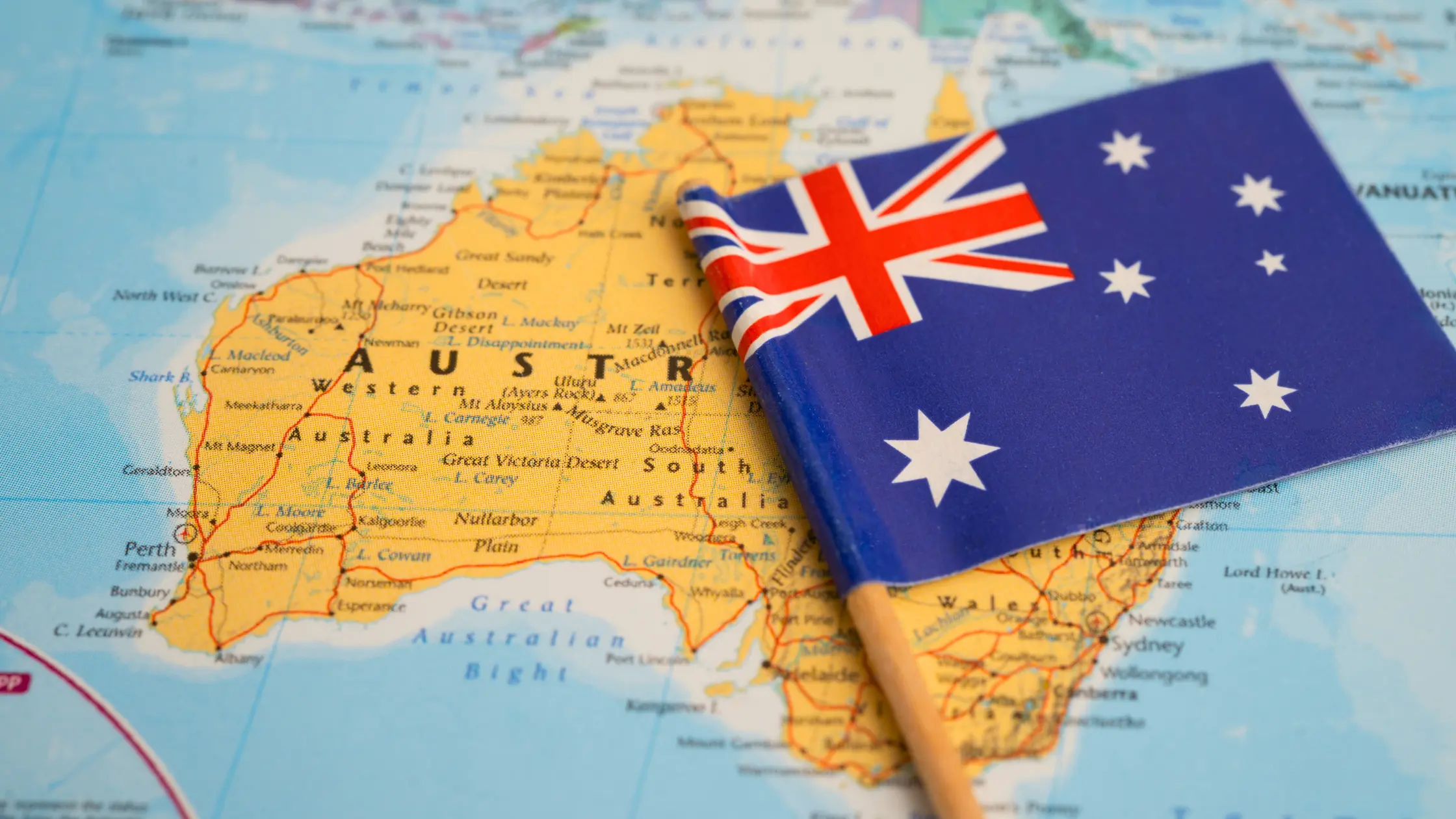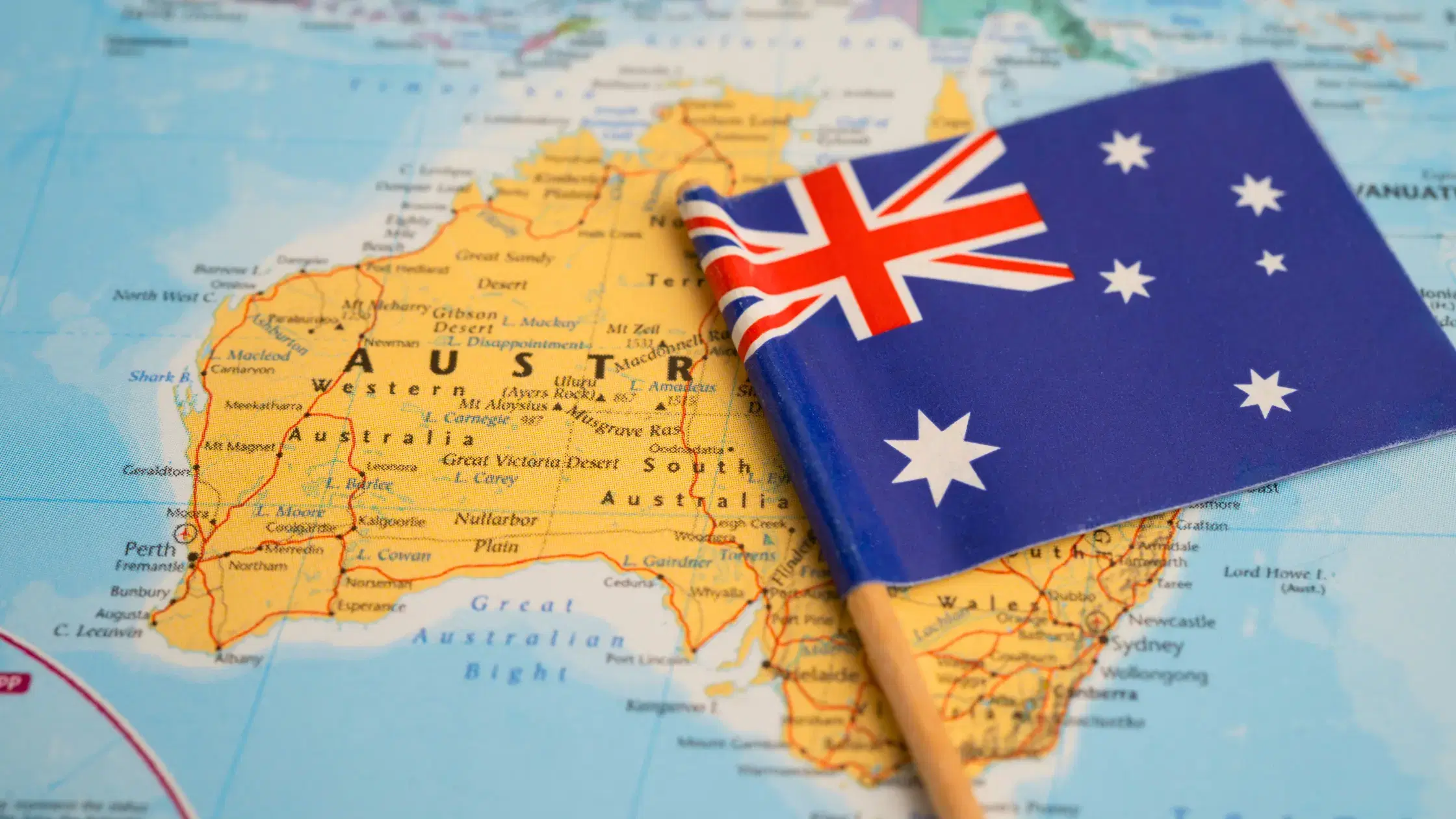
After graduation, the Temporary Graduate visa (Subclass 485) gives you 2 to 4 years of full-time work rights depending on your qualification level and study location - one of the more generous post-study windows globally, though its application fee doubled to AUD 4,600 in March 2026.
Why Study in Australia? (Cost, Rankings, Career ROI)
Australia combines globally ranked universities - the Group of Eight (Go8) sits consistently in world top-100 lists - with a genuinely high standard of living and one of the highest minimum wages in the world, making part-time work during study a meaningful way to offset costs.
The clearest advantage over the UK or US is post-study flexibility: the Subclass 485 visa hands STEM and regional-area graduates up to 5 years of work rights with no employer sponsorship required, a longer runway than almost any comparable destination.
The tradeoff is a system that's tightened considerably in 2026 - visa fees have risen sharply and the Genuine Student assessment is under heavier scrutiny than in previous years.
What Are the Best Universities in Australia for International Students?
Australia's "Group of Eight" (Go8) research-intensive universities dominate international rankings and enrollment:
- University of Melbourne - consistently Australia's top-ranked university, strong across nearly all disciplines
- University of Sydney - broad strength, particularly in business, law, and health sciences
- Australian National University (ANU) - research-focused, strong in political science and international relations
- University of New South Wales (UNSW) - engineering, technology, and business
- Monash University - pharmacy, medicine, and business, Australia's largest university by enrollment
- University of Queensland - biotechnology and environmental science
Beyond the Go8, regional universities (Charles Darwin, University of Southern Queensland, Federation University) offer significantly lower tuition and living costs, plus additional Subclass 485 work-rights incentives for studying regionally.
How Much Does It Cost to Study in Australia in 2026?
Budget AUD 20,000–50,000/year in tuition for most Bachelor's and Master's programs, with medicine, veterinary science, and MBA programs running considerably higher - MBA fees can reach AUD 90,000–126,000 for the full program at top business schools.
On top of tuition, the Student visa requires proof of AUD 29,710 in living costs for the first year, plus mandatory health insurance (OSHC) and travel costs.
Is a Degree in Australia Worth the Cost? (Tuition Breakdown by Course Type)
There's no tuition-free public option in Australia for international students - pricing is set independently by each university and varies by faculty:
- Undergraduate (Bachelor's): typically AUD 20,000–45,000/year, with medicine and veterinary science at the top end
- Postgraduate Taught (Master's): typically AUD 22,000–50,000/year
- MBA programs: can reach AUD 90,000–126,000 for the full program at leading business schools
- PhD/Research programs: often lower than taught degrees, and many domestic and international PhD candidates receive a Research Training Program (RTP) stipend of roughly AUD 35,500–39,500/year, tax-free, covering living costs
Regional campuses consistently undercut metro-city tuition by a meaningful margin, while also unlocking longer post-study work rights under the Subclass 485 visa - worth weighing against the pull of a Sydney or Melbourne address.
What Are the Admission Requirements for Australian Universities?
Requirements vary by level and institution, but generally include:
- Secondary school qualifications equivalent to Australia's Year 12, or a foundation program for students who don't meet this directly
- A relevant Bachelor's degree with a competitive GPA for Master's applicants
- Proof of English proficiency - IELTS, TOEFL, or PTE Academic
- Academic transcripts, a personal statement, and references
- A Confirmation of Enrolment (CoE) issued by your CRICOS-registered institution - mandatory before you can apply for your visa
Which Entrance Exams Are Required? (IELTS, PTE, GMAT)
English proficiency is the near-universal requirement: as of 2026, most courses require a minimum IELTS overall band score of 6.0, with no individual component below 5.5, though some institutions and higher-risk applicant profiles may require higher scores. PTE Academic and TOEFL are both widely accepted alternatives.
Standardized graduate tests (GMAT, GRE) are program-specific rather than universal - required for some competitive MBA and research programs, waived for most standard Master's degrees.
How Do I Apply for an Australian Student Visa (Subclass 500)?
The Subclass 500 process runs through these stages:
- Receive your offer and Confirmation of Enrolment (CoE) - issued by your CRICOS-registered institution once you accept your offer and pay the initial tuition deposit
- Purchase Overseas Student Health Cover (OSHC) - mandatory for your full visa duration, arranged through an approved provider before you apply
- Complete your Genuine Student (GS) statement - since March 2024, this replaced the older GTE essay with four structured questions (roughly 150 words each) about your circumstances, course choice, and career goals
- Gather financial evidence - bank statements, loan documents, or scholarship evidence covering the AUD 29,710 threshold plus tuition and travel
- Apply online through ImmiAccount - pay the AUD 2,000 application fee and submit biometrics if required
- Complete a health examination with an approved panel physician if requested
How Long Does the Australian Student Visa Process Take?
Processing time depends on study level: higher education applications typically take 4–8 weeks, VET applications 4–7 months, and postgraduate research applications 3–5 months. As of 2026, roughly half of all applications are decided within 29 days and 90% within 56 days - though incomplete documentation or a weak Genuine Student statement are the most common causes of delay.
What Are the Financial Requirements for an Australian Student Visa?
Australia sets a fixed annual living-cost threshold, reviewed and indexed regularly:
- Living costs: AUD 29,710/year for the primary applicant
- Additional family members: AUD 10,394 for a spouse/de facto partner, AUD 4,449 per dependent child
- Tuition: the first year's fees, as confirmed on your CoE
- Travel costs: roughly AUD 2,000–3,000 depending on your home country
Acceptable evidence: bank statements showing funds held for at least 3 months, an education loan disbursement or sanction letter, or evidence of parental/sponsor income (currently at least AUD 87,856/year if applying without dependents).
Funds must be genuine and traceable - sudden, unexplained deposits shortly before application are a common trigger for extra scrutiny or refusal.
Subclass 500 Documents Checklist
Before you lodge ImmiAccount, align these with your CoE and Genuine Student (GS) answers:
- Valid passport
- Confirmation of Enrolment (CoE) from a CRICOS-registered provider
- OSHC for the full visa period — policy number and dates must cover your stay
- GS statement — four structured questions (since March 2024); keep answers consistent with your SOP and career story
- Financial evidence: AUD 29,710 living costs + first-year tuition + travel (plus dependants if applicable)
- English test results if not already embedded in your offer conditions
- Health examination and police certificates if requested
- Biometrics when instructed
If your GS reads like a template and your funds appeared last week, expect a s27 request or refusal.
Common Australian Student Visa Refusal Reasons
- Genuine Student: course does not fit prior study or career plan; weak GS responses
- Funds: insufficient balance, unexplained deposits, or income evidence that does not support the claimed source
- Documentation: CoE/OSH C mismatch, or missing health/police clearances
- English: offer conditions not met at visa stage
- Character or health grounds (less common but absolute when triggered)
Fix the reason cited on the refusal notice before re-lodging. See Australia student visa spoke for the full slice and what IELTS score do you need? for Subclass 500 vs 485 bands.
What Are the Best Courses to Study in Australia?
Australia holds particular strength in:
- Engineering and IT - strong industry placement rates and a place on the national Skills in Demand list, improving migration prospects
- Nursing and Health Sciences - consistently high graduate employability
- Business and Accounting - well-established international student pathways with strong local job markets
- Environmental Science and Agriculture - a genuine research priority given Australia's climate and geography
- Mining and Resource Engineering - tied closely to Australia's resources sector
Nursing, engineering, IT, and accounting graduates in particular benefit from priority skilled migration processing, since these fields sit on Australia's Skills in Demand list.
Can I Work While Studying in Australia?
Yes. As of 2026, Student visa holders can work up to 48 hours per fortnight during study periods, and unlimited hours during scheduled course breaks. Higher Degree by Research (Master's by research and PhD) students have no weekly work-hour cap at all.
Australia's minimum wage - over AUD 24/hour as of 2026 - makes part-time work a genuinely practical way to offset living costs, even if it won't cover tuition on its own.
What Is the Temporary Graduate Visa (Subclass 485)?
The Subclass 485 is Australia’s main post-study work visa — full-time work for any employer, no sponsorship required, after you complete an eligible qualification at an Australian provider.
Which 485 stream fits you?
| Stream | Who it is for | Typical length |
|---|---|---|
| Post-Higher Education Work stream | Bachelor’s, Master’s (coursework or research), doctoral degrees from a CRICOS course | 2 years (up to 5 years if you studied at a regional campus — confirm your campus classification) |
| Post-Vocational Education Work stream | Eligible VET qualifications on the skilled list | Generally up to 2 years, tied to occupation list rules |
Doctoral graduates often receive 4 years under the higher-education stream — verify against the current legislative instrument for your qualification level.
2026 costs and English (budget these early)
- Visa application charge increased sharply in March 2026 — plan AUD 4,600+ for the primary applicant, not the older ~AUD 2,300 figure still quoted on outdated blogs
- Age: generally under 35 at application (with exceptions for research graduates — check Home Affairs)
- English: commonly IELTS 6.5 overall with minimums in each band (up from earlier thresholds) — see what IELTS score do you need?
Application order
- Complete your course and obtain completion evidence
- Sit or refresh English if your Subclass 500 score will not meet 485 rules
- Apply online in ImmiAccount before your Student visa expires (onshore applicants)
- Hold valid health insurance and meet character requirements
485 is not permanent residency. Graduates in Skills in Demand occupations get priority pathways toward skilled migration or employer sponsorship — pair with the Australia hub for course choice.
What Is the Cost of Living for Students in Australia?
Budget varies by city. A rough monthly range:
| Category | Typical Cost |
|---|---|
| Rent (shared accommodation) | AUD 800–1,600 (Sydney/Melbourne) / AUD 600–1,000 (Adelaide/regional) |
| Food & groceries | AUD 300–500 |
| Transport | AUD 100–200 |
| Utilities & phone | AUD 100–200 |
| OSHC health insurance | AUD 500–700/year |
Adelaide and the Gold Coast are consistently among the most affordable major study cities, with annual living costs around AUD 22,000–29,000 - Sydney and Melbourne sit well above that range.
Do I Need to Learn Any Other Language?
No - Australian degree programs are taught in English, with no second-language requirement for admission or the visa. Your main hurdle is meeting your program's English proficiency threshold via IELTS, PTE Academic, or TOEFL.
What Scholarships Are Available for International Students?
Australia scholarships index — start here, then open the full award pages. Global list: scholarships.
| Scholarship | Type | Best for | Full guide |
|---|---|---|---|
| Australia Awards | Government, fully funded | Indo-Pacific partner countries | Tuition + living + travel |
| Destination Australia | Government (regional) | Study at regional campuses | Living + tuition support |
| Vice-Chancellor’s (Sydney) | University | Strong UG/PG profile at USyd | Partial to full tuition |
| Monash International Leadership | University | Monash applicants | AUD 10,000/year |
| Melbourne Graduate Research | University | Research Master’s/PhD | Full fee remission + stipend |
| RTP stipends | Government/university | Research degrees | Tuition + ~AUD 35k–39k stipend |
Most Go8 and mid-tier universities also run 15–50% merit waivers not listed as separate national programmes — check each institution’s international scholarships page after you shortlist.
Related: Subclass 485 planning, find scholarships.
When Should I Apply? (Intake Deadlines)
Australia runs two main intakes at most universities:
- Semester 1 (starts late February/March) - the primary intake; applications typically due October–November of the prior year
- Semester 2 (starts July) - a strong secondary intake, widely available across most programs; applications typically due April–May
Given visa processing timelines and the CoE-before-visa sequencing, start your application at least 8–10 months before your target intake - earlier for competitive programs or if you're applying from a country facing longer processing scrutiny.
FAQs About Studying in Australia
Can I study in Australia without IELTS?
Yes - PTE Academic and TOEFL are both widely accepted alternatives, and some universities waive the requirement if you've completed prior education taught in English.
Is Australia cheaper than the UK or US for international students?
It's broadly comparable to the UK and generally cheaper than the US at the tuition level, though Australia's 2026 visa fee increases (especially the Subclass 485 doubling) have narrowed that gap for anyone factoring in post-study costs.
What GPA do I need for Australian universities?
There's no single national cutoff - competitive programs at Go8 universities generally expect a strong academic record equivalent to a UK 2:1 or a GPA above 3.0/4.0, with medicine and specialized health programs expecting significantly more.
Can I get permanent residency in Australia after studying?
Not automatically - the Subclass 485 gives you time to work and build your case, but PR requires a separate pathway through General Skilled Migration, employer sponsorship, or state nomination, generally easier for graduates in Skills in Demand occupations like nursing, engineering, IT, and accounting.
Do all Australian universities charge the same tuition to international students?
No - tuition varies significantly by university, faculty, and course. Regional campuses are consistently cheaper than Go8 metro universities, and medicine, veterinary science, and MBA programs sit well above the general range.
Sources
Australian Department of Home Affairs Subclass 500 and Subclass 485 visa guidance; Study Australia official cost and OSHC guidelines; university-published 2026 tuition fee pages.
Get personalized study abroad advice
Chat with our AI advisor about this destination guide - tailored to your profile.
Start conversation