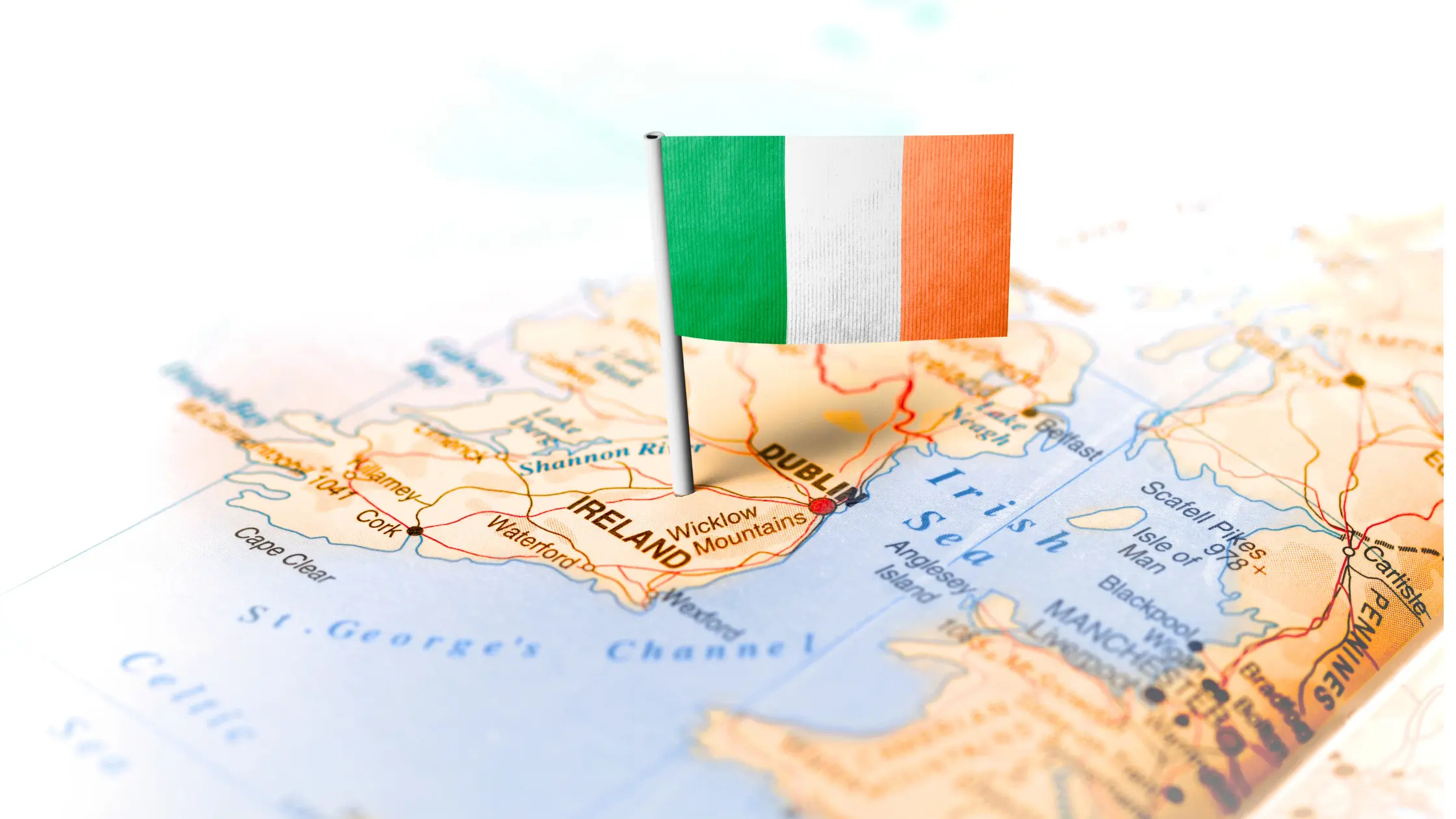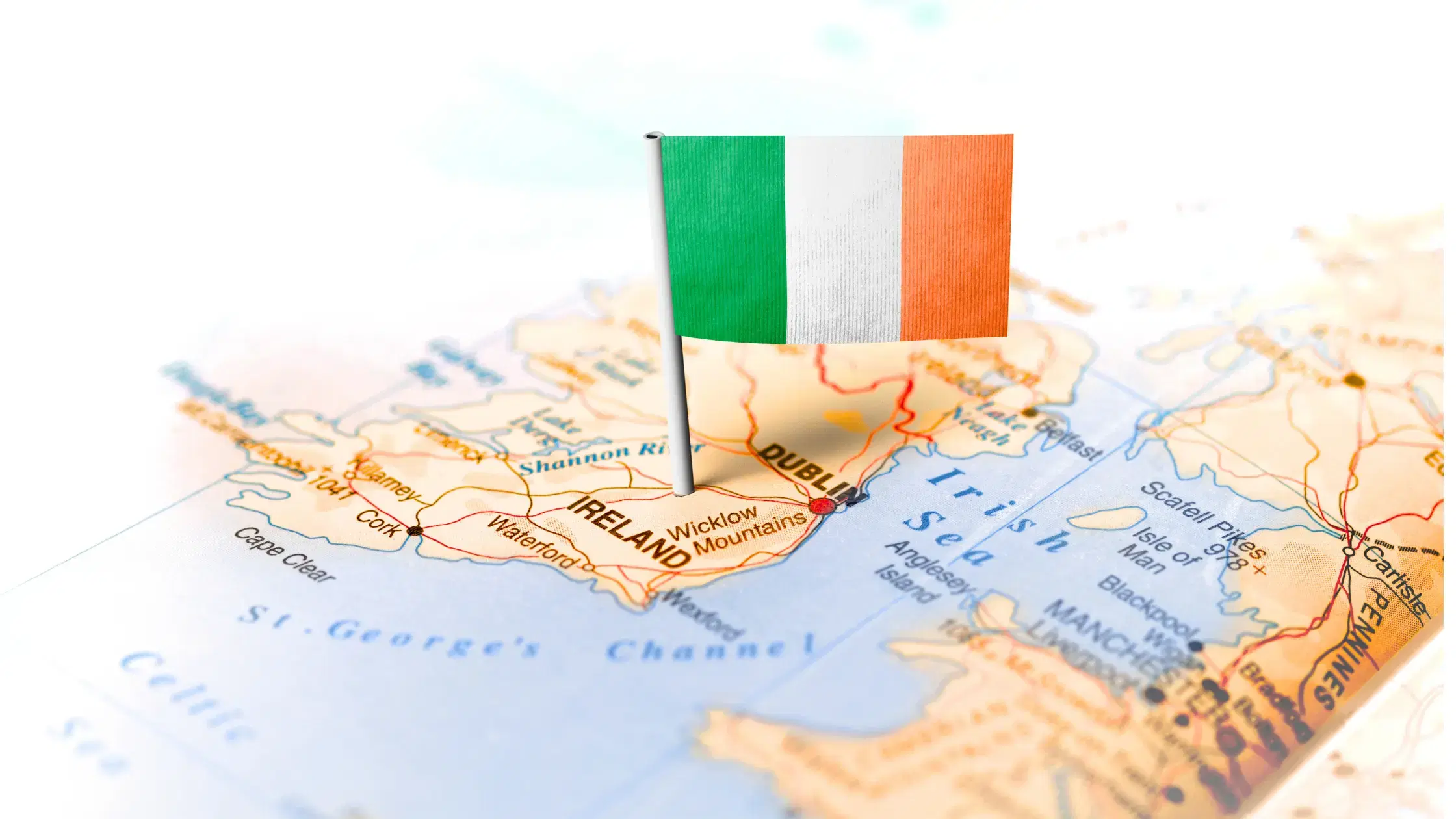
Post-study work is often the ROI question for Ireland. Details below; full destination context is in the country guide.
Can I Work While Studying in Ireland?
Yes. Student visa holders on Stamp 2 permission can work up to 20 hours a week during term time, and up to 40 hours a week during scheduled holiday periods, which include June, July, August, September, and 15 December to 15 January.
Ireland's minimum wage of EUR 13.50 an hour makes part time work a genuinely useful supplement to living costs, though it shouldn't be relied on as a primary funding source given the upfront financial proof requirements.
What Is the Third Level Graduate Programme (Stamp 1G)?
After an eligible Irish degree, Stamp 1G (Third Level Graduate Programme) lets you stay to seek full-time employment without a separate work permit first — open job search, not employer-tied on day one.
How long you get
| Qualification (NFQ) | Stamp 1G duration |
|---|---|
| Level 8 Honours Bachelor | 12 months |
| Level 9–10 Master’s or Doctoral | 24 months |
Apply before your student permission expires; you must have completed the award from an eligible Irish institution.
After Stamp 1G — Critical Skills path
Stamp 1G is temporary. To work long term you typically move to:
- Critical Skills Employment Permit — salary floor often EUR 38,000+ (higher for some roles); occupation must align with Ireland’s Critical Skills list (tech, engineering, pharma)
- General Employment Permit — broader occupations, higher employer compliance burden
Ireland’s tech and pharma clusters (Dublin, Cork) map well to Critical Skills — factor the 24-month Master’s track vs 12-month Bachelor track when comparing with UK Graduate Route or Canada PGWP.
Related: Ireland hub, English test scores.
Get personalized study abroad advice
Chat with our AI advisor about this destination guide - tailored to your profile.
Start conversation